
Buying a recorder is less about finding the most expensive instrument and more about matching its design to your playing goals. A beginner may need a dependable plastic model that is easy to clean, while an advancing player may prefer a wooden recorder with a more responsive tone. Size, fingering system, construction, tuning, and maintenance all affect whether an instrument feels comfortable and remains useful as your skills develop. This guide explains the main decisions so you can compare recorders with confidence rather than relying on appearance or brand recognition alone.
How Recorder Materials Affect Sound and Durability
Plastic recorders are usually the most practical starting point. Modern injection-molded instruments can produce a clear, stable sound and tolerate changes in temperature and humidity better than wood. They are also inexpensive to replace, making them suitable for school use, travel, and younger players who are still learning how to handle an instrument. The tradeoff is that inexpensive plastic can feel less refined, and some models have rougher tone holes or less consistent response between notes.
Wooden recorders offer a broader range of tone colors and can respond especially well to controlled breath pressure. Maple, pearwood, and boxwood are common choices, while denser woods may produce a more focused sound. Wood is not automatically better, however. It requires gradual acclimatization, careful drying after use, and occasional treatment with an appropriate bore oil if the maker recommends it. A neglected wooden instrument can swell, crack, or develop tuning problems, so its maintenance demands should be part of the purchase decision.
A useful compromise is to use a quality plastic recorder for daily practice and reserve a wooden instrument for lessons, performances, or ensemble playing. Check whether the joints fit smoothly, whether the finish is even, and whether the instrument includes a case and cleaning accessories. Avoid assuming that a heavier recorder is superior; weight can reflect the material, wall thickness, or decorative finish rather than sound quality.
Baroque Versus German Fingering Systems
The fingering system determines how notes are produced, so it is one of the most important specifications to check before ordering. Baroque, also called English, fingering is the standard choice for most formal instruction, ensemble work, and advanced study. It uses different finger patterns for several notes, including a distinctive arrangement for the fourth-finger holes. The system can require more coordination at first, but it supports consistent technique across a wide range of established recorder repertoire.
German fingering simplifies some early notes and may feel approachable for a beginner playing simple melodies. Its advantage is a relatively straightforward introduction to the lower register. Its limitation is that certain higher notes and chromatic passages can be less convenient, and German and Baroque instruments are not interchangeable from a fingering-chart perspective. If a teacher, method book, school program, or ensemble specifies Baroque fingering, choose that system from the beginning to avoid relearning patterns later.
Look for the fingering system stated clearly in the listing rather than relying on photographs. The number and shape of the tone holes can provide clues, but they are not a substitute for the manufacturer’s specification. Keep a fingering chart for the exact model, particularly if you are moving from soprano to alto, because the written pitch and finger spacing change with the instrument.
Choosing Soprano and Alto Recorder Models
The soprano recorder is the familiar high recorder often used in classrooms. It is compact, relatively affordable, and easy to carry, but its bright upper register can sound sharp or penetrating when played forcefully. Smaller hands generally find its spacing manageable, although very young players may still need an instrument with well-finished, easy-to-cover holes.
The alto recorder has a lower, warmer voice and is often preferred for solo repertoire and mixed recorder ensembles. Its larger body requires more reach, and some players need time to adjust to the wider finger spacing. An alto in F is not simply a larger soprano in C: the note names, written parts, and fingering relationships must be understood before switching. Players who want a more mellow sound should consider an alto, provided they can comfortably cover every hole without stretching or collapsing the fingers.
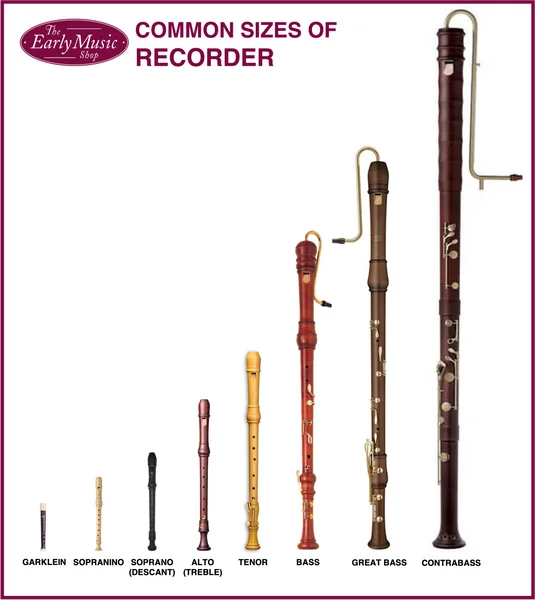
For a first purchase, match the model to the music you expect to play and the instruction you will receive. A soprano is usually the safest choice for a school method that begins with common classroom repertoire. An alto may be the better long-term option for an adult studying early music or joining an ensemble. Tenor and bass recorders are specialized choices and should generally be selected after trying one in person, because their size, breath requirements, and cost are substantially greater.
BAROQUE vs. GERMAN RECORDER | TUTORIAL 2020 - Types of FINGERING SYSTEM | How to Play ALL THE NOTES
How to Check Intonation and Playability
A recorder should speak easily without requiring excessive force. Test the lowest notes first, then move slowly through the scale and listen for sudden changes in volume, pitch, or resistance. A note that refuses to sound may indicate poor breath control, but repeated instability across several players can point to an instrument or setup problem. If possible, compare the recorder with a reliable tuner and check notes in the register you will use most often.
Intonation is affected by temperature, breath pressure, and the player’s embouchure, so a single tuner reading does not tell the whole story. Warm the instrument gradually, use a steady airstream, and test sustained notes as well as scales. A good recorder should allow small adjustments without forcing every note into tune. On a two-piece or three-piece instrument, the joints may offer limited tuning adjustment, but large corrections suggest that the model may not suit your needs.
Playability also includes physical comfort. Confirm that the fingers can cover the holes fully and that the thumb rests do not cause strain. Inspect the mouthpiece for smooth edges and the joints for secure but removable fits. If you are buying online, prioritize sellers with clear specifications, return terms, and replacement-part information. A product page that omits fingering, tuning, material, or size details is not necessarily a poor instrument, but it gives you too little information for a confident comparison.
Comparing Catalog Picks Without Overpaying
When comparing the two catalog picks on this page, weigh their material, fingering system, size, tuning information, included accessories, and return policy rather than treating the higher price as proof of better playability. One model may offer the practical advantages of durable plastic and lower maintenance, while the other may provide a different tone or more substantial construction. Record those pros and cons against your actual use: regular lessons, casual home playing, ensemble work, or travel. Neither option should be judged on a feature it does not claim to provide.
Recommended products
Use these catalog picks as a shortlist for recorder buying guide: materials, fingering systems, and maintenance. Compare measurements, materials, and return terms side by side instead of buying from a photo alone.

Recorder Cleaning and Maintenance Basics
Moisture is the main everyday concern. After playing, separate the joints when the design allows and remove condensation with a recorder cleaning rod wrapped in a soft, lint-free cloth. Push the cloth gently through the bore rather than forcing a thick bundle through the instrument. Clean the windway and mouthpiece according to the maker’s instructions; sharp objects can damage the air channel and alter the response.
Plastic recorders can usually be washed occasionally with lukewarm water and mild soap, but avoid hot water, dishwashers, and prolonged soaking unless the manufacturer specifically permits them. Heat can distort the body. Wooden recorders should not be treated like plastic ones. Wipe away moisture promptly, let the parts dry separately in a safe place, and follow the maker’s guidance on oiling. Do not oil the windway, and do not apply products simply because they are marketed for another woodwind instrument.
Store the recorder in its case away from radiators, direct sunlight, and cars that become very hot or cold. Do not leave assembled joints under unnecessary pressure. Inspect corks, seals, and removable plugs periodically, and have persistent leaks or tuning problems checked by a qualified repair specialist. A recorder that is cleaned gently and stored consistently is more likely to remain comfortable, stable, and enjoyable over time.
Understanding Listings and Related Recording Terms
Shopping pages sometimes place musical instruments beside unrelated recording equipment, so read the specifications carefully. Terms such as video, Driving, or devices 16 channel may describe cameras, vehicle systems, or multichannel hardware rather than a musical recorder. Likewise, listings from names such as ANNKE, Accessory USA, and LK may concern electronics or accessories instead of recorder construction. Confirm that the page identifies the instrument’s material, pitch, fingering system, and size before adding it to your cart.
The best recorder is the one whose sound, finger spacing, maintenance requirements, and instructional compatibility fit your situation. Start with the system your teacher or method uses, select a size you can handle comfortably, and treat intonation and return support as seriously as appearance. With those basics in place, you can choose an instrument that supports steady progress instead of creating avoidable obstacles.
FAQ: Recorder Buying Guide: Materials, Fingering Systems, and Maintenance
What recorder material is best for beginners?+
Plastic recorders are usually the easiest starting point because they are affordable, durable, and simple to clean. Wooden recorders can offer a warmer, more nuanced sound, but they require regular moisture control and careful maintenance.
Should I buy a Baroque or German fingering recorder?+
Baroque fingering is the more common system for formal study and most advanced recorder repertoire, while German fingering can feel more intuitive for some beginners. Check the fingering chart and choose the system your lessons, method book, or ensemble uses.
Should I start with a soprano or alto recorder?+
A soprano recorder is compact, relatively inexpensive, and common for beginner instruction, but its high pitch can sound bright. An alto recorder has a lower, warmer tone and more comfortable spacing for some players, though its larger size and different fingerings may require additional adjustment.
How can I check a recorder’s intonation and playability before buying?+
Test every note across the recorder’s range for stable pitch, clear response, and consistent volume. If possible, compare sustained notes with a tuner and check that the joints fit securely, the finger holes are comfortable, and the instrument responds without excessive breath pressure.
How do I clean and maintain a recorder?+
After playing, remove moisture with a suitable cleaning swab and allow the recorder to dry fully before storing it. Keep plastic and wooden instruments in a protective case, avoid leaving them in heat or direct sunlight, and follow the maker’s instructions for joint grease and oiling wooden models.