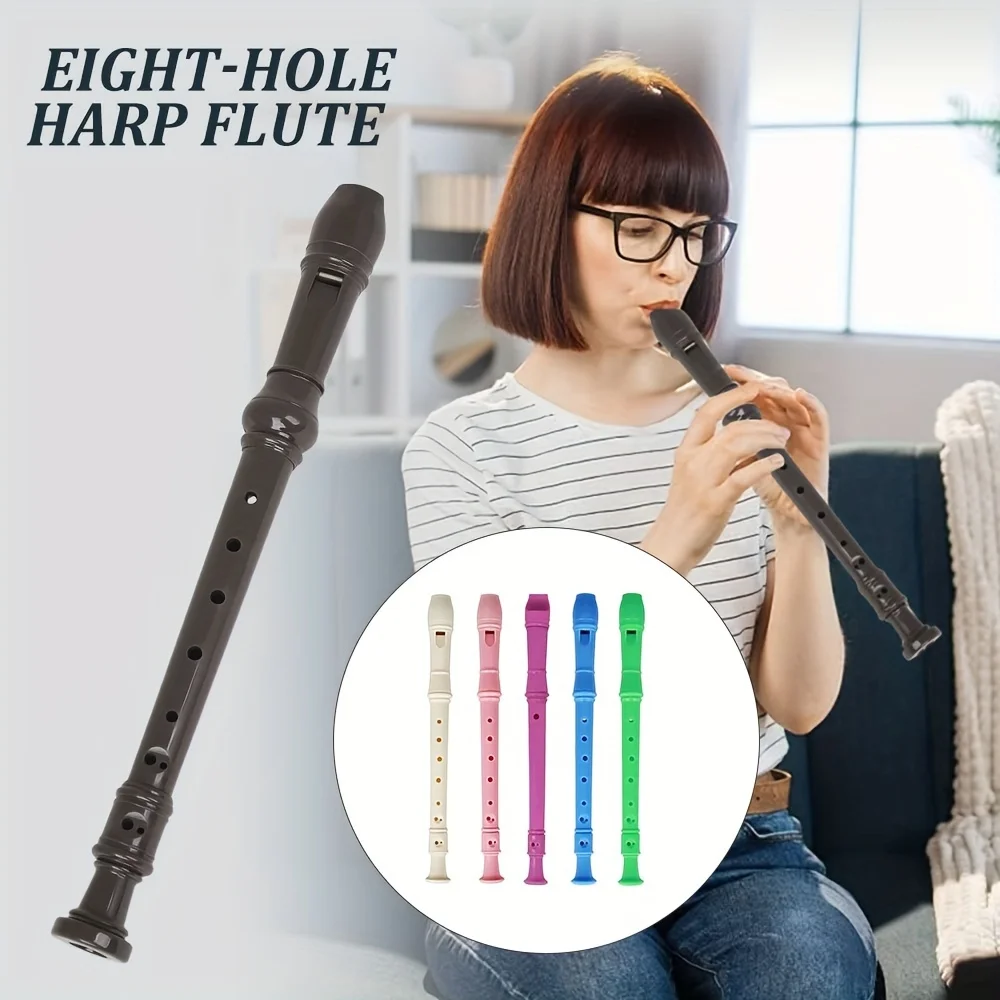
How to Choose the Right Recorder Size and Key
Choosing among recorders is easier once you separate two decisions: the instrument’s size and its key. Size affects comfort, breath, finger spacing, and the role the instrument usually plays. Key describes the instrument’s natural pitch and determines how it fits with other recorders or instruments. A smaller recorder is not automatically a better beginner instrument, and a larger recorder is not necessarily more advanced. The right choice depends on the player’s age, hand span, musical setting, sound preference, and the notation used in lessons.
Understanding Soprano, Alto, Tenor, and Bass Recorders
The soprano recorder is the small, high-pitched model most commonly introduced in elementary music programs. It is usually in C, with a written and sounding range roughly from C5 upward, depending on the design and the player’s technique. Its compact size suits smaller hands, but its high register can sound bright or sharp if the player uses too much air. Because soprano parts are common in beginner books, it is often the most practical first recorder for children and school classes.
The alto recorder is larger and lower than the soprano, usually in F. It has a warmer, more rounded sound and is a central voice in recorder consorts. The finger holes are farther apart, so it may be uncomfortable for young children or anyone with a small hand span. For an older beginner, however, the alto can be an excellent starting point, particularly if the goal is classical repertoire, ensemble playing, or a sound that is less piercing than the soprano.
The tenor recorder is generally in C, an octave below the soprano. Its tone is mellow and expressive, but its longer body requires more reach. Some models include keys or extended mechanisms to make the lowest holes easier to cover. Tenors are often chosen after a player has learned soprano or alto technique, although a physically comfortable keyed tenor can work for a motivated adult beginner.
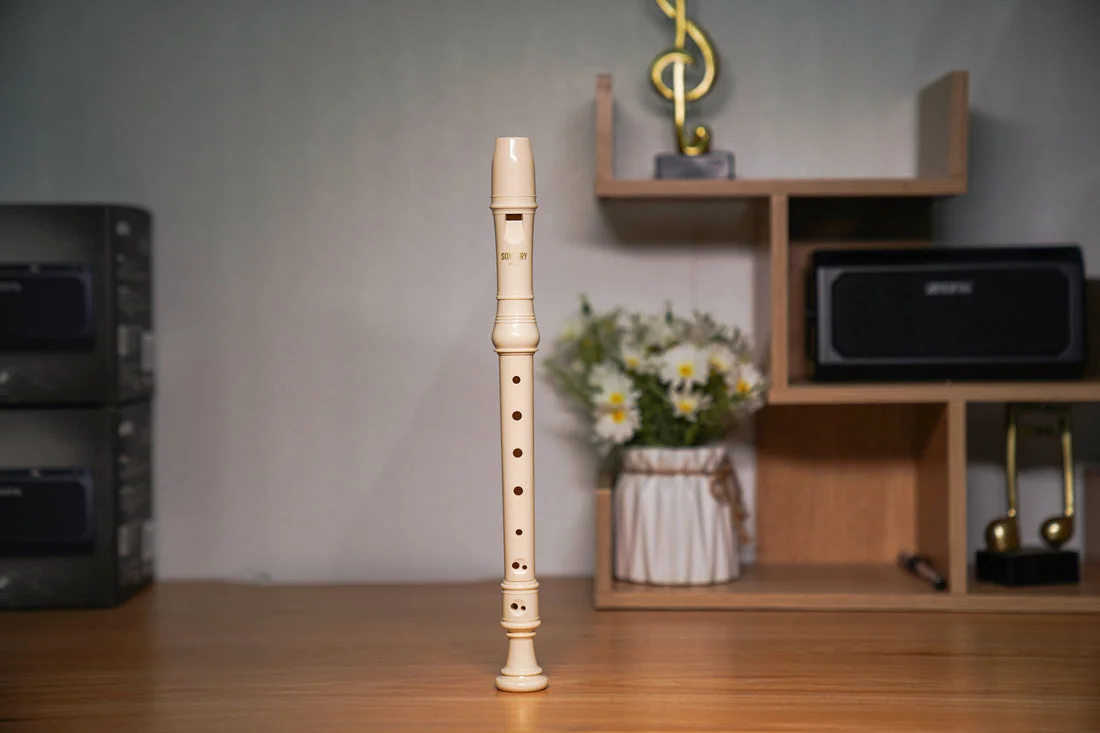
The bass recorder is usually in F and produces the lowest voice among these four common sizes. It is large, heavy, and often fitted with several keys, a bent neck, or a separate windway. Bass recorders provide the foundation in an ensemble rather than the prominent melody. They are best selected with attention to seating, support, transportation, and maintenance as well as pitch. A bass is rarely the most convenient first instrument, but it can be a rewarding choice for an experienced player who enjoys lower parts.
Physical comfort matters more than a label such as beginner or advanced
Before buying, check whether the player can cover every hole without stretching, twisting the wrist, or lifting the fingers excessively. The instrument should be held with relaxed shoulders and a stable thumb position. If a child has to reach for the lower holes on an alto, consistent leaks will make notes unreliable and can create unnecessary frustration. Conversely, an adult with large hands may find a soprano cramped. A short fitting session, supervised lesson, or clear sizing video can reveal more than a product description.
Comparing Recorder Keys and Musical Range
A recorder’s key tells you its home pitch, not simply the key signature of the music it can play. A C soprano and a C tenor use related fingering patterns while sounding an octave apart. An F alto and an F bass have the same relationship, with the bass sounding an octave below the alto. This family design allows players to move between sizes while retaining familiar finger patterns, although breath control and reach change substantially.
For solo playing, choose the size whose range and tone suit the repertoire. Many beginner and folk arrangements are available for soprano, while Renaissance and Baroque consort music frequently uses alto as a central voice. Tenor and bass parts may be less common in entry-level books, but they are valuable when the ensemble needs lower harmony. Always check whether the score is written specifically for recorder, whether it assumes modern pitch, and whether the part is transposed.
Part 3: Different Sizes of Recorders
Fingering system is another key specification. Baroque, sometimes called English, fingering is widely used in serious study and ensemble repertoire. German fingering can make some early notes seem simpler, but it does not match the fingering expected in many method books and advanced resources. Do not assume that a recorder in the correct pitch is suitable unless its fingering system also matches the lessons. A teacher’s recommendation is particularly useful when the player will join a school or community group.
Choosing a Recorder for Children
For many children, a soprano recorder in C is the sensible starting point because school materials, classroom parts, and beginner exercises commonly use it. Look for an instrument with accurately aligned holes, a mouthpiece that is easy to control, and a body that can be cleaned safely. A three-piece construction can make cleaning and storage more manageable, while a two-piece design may have fewer joints to align. The best option is the one the child can hold comfortably and maintain consistently.
Plastic recorders are often practical for children because they tolerate classroom use, temperature changes, and regular cleaning better than delicate wooden instruments. They can also be less expensive when a child is still deciding whether to continue. Wood offers different tactile and tonal qualities, but it needs appropriate moisture management and should not be treated as automatically superior. Whichever material you choose, teach the player never to share a mouthpiece casually, to dry the instrument as directed, and to store it where pets, heat, and accidental damage are less likely.
Accessories should solve a real problem rather than inflate the purchase. An Accessory USA case or cleaning item may be useful if its dimensions match the exact recorder model. LK and TSL may also appear among available recorder or accessory listings, so compare the stated key, fingering system, construction, and included parts instead of relying on brand recognition alone. A tuner, stand, and method book can be more valuable than decorative extras. If online lessons are involved, confirm that the player can hear the reference pitch clearly in the video.
Choosing a Recorder for School and Ensemble Playing
Recommended products
Use these catalog picks as a shortlist for how to choose the right recorder size and key. Compare measurements, materials, and return terms side by side instead of buying from a photo alone.


School programs often specify the recorder key and fingering system, so follow the teacher’s list before purchasing. A soprano in C may be required even if the student prefers the deeper sound of an alto. In an ensemble, matching pitch, response, and fingering conventions is more important than choosing the most expensive instrument. Ask whether the group uses equal temperament, a particular reference pitch, or a preferred model range, especially if the player will perform with other instruments.
For ensemble use, consider practical details that are easy to overlook: case size, cleaning time, spare parts, and how the instrument will travel between home and school. Driving with a recorder in a hot car can expose plastic or wood to unfavorable conditions, so keep it out of direct sun and avoid leaving it in a parked vehicle. Security also matters in shared classrooms; label the case and store the instrument in a designated location rather than loose in a crowded bag.
How to compare the catalog picks
When comparing the three catalog picks later in the page, use a pros-and-cons approach. Check each model’s size, key, fingering system, material, construction, included case, cleaning requirements, and return policy. A lower-priced plastic soprano may be practical for a child or school setting, while a larger alto or tenor may offer the needed ensemble part but demand more reach and care. Do not treat price, appearance, or brand alone as evidence of better suitability.
When to Upgrade to a Different Recorder Size
Upgrade when the current instrument limits the music or the player’s comfort, not simply because a certain amount of time has passed. A child may be ready for alto when hand span, posture, and breath control are reliable and the student wants to play alto parts. A soprano player may explore tenor when seeking a lower voice, provided the instrument can be supported comfortably. Bass is usually an ensemble-driven purchase because its size and repertoire make it a specialized choice.
Before changing sizes, borrow or rent the proposed recorder if possible. Play sustained notes, simple scales, and familiar pieces while checking reach, thumb position, breath pressure, and intonation. The transition may require new exercises even when the fingering pattern is related. A teacher can also determine whether apparent difficulty comes from the instrument size, a leaking hole, unsuitable fingering, or technique. Choosing carefully at this stage prevents an expensive instrument from sitting unused and helps the player move into a new musical role with confidence.
FAQ: How to Choose the Right Recorder Size and Key
What recorder size should a beginner choose?+
A soprano recorder is the usual starting choice because it is compact, widely used in beginner lessons, and has a bright, clear sound. Adults with larger hands may find an alto recorder more comfortable, but should confirm that the lesson or music program supports alto parts.
What is the difference between soprano, alto, tenor, and bass recorders?+
Soprano recorders are the smallest and highest-pitched, while alto recorders are larger with a lower, warmer range. Tenor and bass recorders produce progressively lower tones, but their larger size and breath requirements can make them less practical for beginners.
Which recorder key is best for school or ensemble playing?+
Most school recorder programs begin with a C soprano recorder, so matching the required size and key is more important than choosing by sound alone. Ask the teacher or ensemble director whether the music calls for soprano, alto, or another recorder before buying.
What recorder size is best for a child?+
A soprano recorder is generally easiest for children to hold and reach because it has the smallest body and finger spacing. Choose a model with comfortable, clearly marked finger holes and avoid moving to a larger recorder until the child can handle its reach and breath requirements.
When should I upgrade from a soprano to an alto recorder?+
Consider an alto recorder when the player is comfortable with basic technique, can reach its wider finger spacing, and wants a lower, warmer sound or access to alto parts. Check the fingering system and ensemble requirements first, since alto music and fingerings may differ from those used on a soprano.