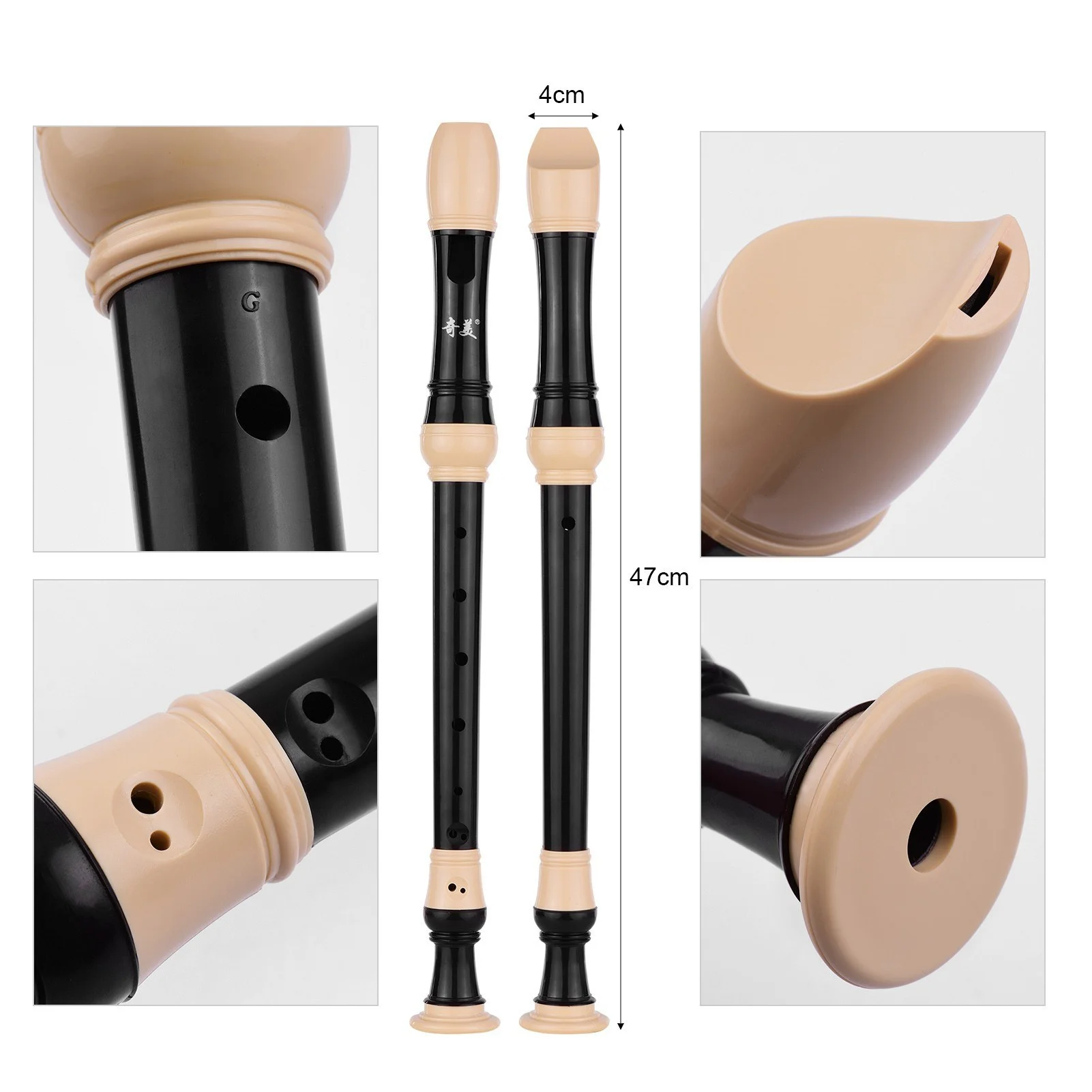
The best alto recorder for an experienced player is not simply the most expensive instrument or the one with the warmest description. At this level, response, tuning, fingering consistency, projection, and the ability to shape individual notes matter more than a beginner-friendly price tag. A reliable instrument should make quiet entrances manageable, support clear articulation across its range, and remain comfortable during longer practice sessions. This guide compares the qualities to look for in plastic and wooden altos, explains which accessories genuinely matter, and shows how to compare several catalog choices without relying on vague claims.
Why Choose an Alto Recorder
Alto recorders are pitched in F, a fourth below the soprano recorder, giving them a lower and generally richer voice. Their larger size creates more space for expressive phrasing, sustained lines, and ensemble parts that can sound thin on a smaller recorder. The alto is also a natural choice for players moving beyond elementary exercises because its range and tonal color reward careful breath control and precise articulation. The trade-off is that the finger holes are farther apart, so hand position and thumb technique deserve attention before choosing an instrument.
Experienced players should also decide whether they want baroque or German fingering. Baroque fingering is the more common choice for serious study and ensemble playing because it is widely supported by advanced method books and professional repertoire. German fingering can feel familiar to players progressing from some beginner instruments, but it may be less flexible as repertoire becomes more demanding. Neither system makes a recorder automatically superior; the important point is to choose one system and confirm that the fingering chart, replacement parts, and teaching materials match it.
Key Features for More Experienced Players
Tuning is one of the first specifications to investigate. Most modern alto recorders are designed around A=440 Hz, though some historical or ensemble-focused instruments use other pitches. A recorder with an adjustable joint can provide useful compensation when playing with a piano, another woodwind, or a mixed ensemble. Look for descriptions that explain how tuning is adjusted rather than simply promising that the instrument is “in tune.” Intonation still depends on breath pressure, fingering, temperature, and the individual instrument.
Response is equally important. A well-designed alto should speak without excessive force in the low register and should not require dramatic changes in air pressure between the middle and upper notes. Check whether the listing identifies the body material, windway design, pitch, fingering system, and included cleaning equipment. These details are more useful than decorative finishes or broad claims about professional quality. A case that protects the recorder, a cleaning rod, and a joint grease or cork-care product may add more practical value than a large accessory bundle filled with items you will not use.
The shape and spacing of the finger holes affect comfort, especially for players with smaller hands. Some altos use slightly redesigned hole positions or keywork to make the lowest holes easier to cover, while others stay close to traditional proportions. Keys can help with reach, but they also add weight and create more parts that may need adjustment. Before buying, compare the instrument’s dimensions with an alto you already play or visit a music shop when possible. A technically excellent recorder that causes hand strain is a poor long-term choice.
Best Plastic Alto Recorders for Reliable Practice
Plastic or resin altos are often the most practical option for daily practice, travel, outdoor rehearsals, and school or community ensembles. They are generally less vulnerable to sudden humidity changes than wooden instruments and are easier to clean consistently. A good plastic recorder can provide stable response and dependable intonation, making it especially useful as a primary practice instrument or as a backup for a valuable wooden alto.
The main advantages are durability, lower maintenance, and predictable performance. The compromises may include a more uniform tone, less subtle resistance, or a sound that some advanced players find less complex in exposed solo passages. Those differences vary considerably by design, so do not dismiss plastic instruments as automatically inferior. For players who practice irregularly, travel frequently, or need an instrument that can tolerate changing conditions, plastic is often the sensible first choice.
Best Wooden Alto Recorders for Tone and Expression
Definitive MODERN recorder comparison & review! | Team Recorder
Wooden altos are chosen for their tonal character and their potential for nuanced expression. Maple, pearwood, and boxwood are common choices, and each instrument can differ even when made from the same species. Wood may offer a more responsive palette of color and resistance, which can help an advanced player vary attacks, vibrato, dynamics, and sustained notes. It also requires more care than plastic, particularly during the first weeks of use and whenever the instrument is exposed to cold, heat, or dry air.
A wooden recorder should be warmed gradually and dried according to the maker’s instructions. Avoid leaving it in a car, near a radiator, or in a sealed case while moisture remains inside. Many makers recommend short initial playing sessions for a new instrument so the wood can acclimate. Oil should only be applied when appropriate for the specific wood and finish, and excess oil must not enter the windway. When comparing wooden models, a reputable maker’s care instructions and replacement-part support are meaningful advantages.
For many advanced players, the most useful setup is not an either-or decision. A wooden alto can be reserved for lessons, concerts, and careful practice, while a durable plastic model handles commuting, travel, and uncertain weather. This pairing also reduces the temptation to play a valuable wooden instrument in conditions that may shorten its useful life.
Recommended products
Use these catalog picks as a shortlist for best alto recorders for intermediate and advanced players. Compare measurements, materials, and return terms side by side instead of buying from a photo alone.




How to Compare the Four Catalog Picks
When the four catalog picks are displayed together, compare them by fingering system, pitch standard, material, tuning adjustment, included case, and return policy before comparing price. A plastic model may win on durability and maintenance, while a wooden model may offer more tonal flexibility but require a larger care commitment. An instrument with useful replacement-part availability can be a better value than a cheaper model with limited support. Also separate genuine specifications from accessory-heavy bundles: a tuner, stand, and cleaning tools are convenient, but they do not compensate for poor response or uncomfortable hole spacing.
Choosing Mouthpieces, Cases, and Replacement Parts
Recorder players sometimes use “mouthpiece” as a general term for the head or windway, but most alto recorders have an integrated head joint rather than an interchangeable mouthpiece in the clarinet or saxophone sense. The head design strongly affects articulation and response, so replacement heads should be compatible with the body and intended fingering system. Do not assume that a universal head will fit safely or play in tune. If the windway becomes damaged or distorted, replacement by a qualified repairer is usually more sensible than forcing an unrelated part into place.
A case should hold the recorder without pressure on the keys, joints, or labium and should provide enough padding for ordinary transport. A hard case offers stronger protection, while a compact padded case may be easier for lessons and local travel. Useful replacement parts include joint corks, tenon grease where appropriate, small pads or key components on keyed models, and a cleaning rod designed for the instrument. Keep a spare cleaning cloth and inspect the joints regularly rather than waiting until assembly becomes difficult.
If you plan to record lessons or performances, treat camera specifications as separate from recorder quality. Search results can mix musical instruments with unrelated listings that mention Amcrest, UpBright, BOYA, network equipment, 4K, or 4k camera video. Those terms may describe cameras, microphones, adapters, or security accessories, not recorder construction. A BOYA microphone may be relevant to an audio setup, while an Amcrest or UpBright listing may belong to a network or camera category, but none of those features indicates that an alto recorder has better tone or tuning. Confirm the product category and specifications before purchasing.
Final Buying Advice
Choose a plastic alto when reliability, travel, and low maintenance are your priorities. Choose a wooden alto when you are prepared to manage humidity and want greater scope for tonal color and expressive control. In either case, prioritize a proven fingering system, comfortable reach, stable pitch, clear low notes, and accessible replacement support. If possible, test several altos with long tones, scales, soft attacks, and the repertoire you actually play. The best recorder is the one that responds predictably while leaving enough room for your technique and musical interpretation to develop.
FAQ: Best Alto Recorders for Intermediate and Advanced Players
What should intermediate players look for in an alto recorder?+
Look for accurate tuning, a comfortable finger reach, responsive low notes, and a tone that remains stable across registers. Experienced players may also prefer a recorder with precise keywork, a reliable double hole, and a material that suits their practice and performance needs.
Are plastic alto recorders good enough for advanced players?+
Yes, a well-made plastic alto recorder can offer consistent tuning, easy maintenance, and dependable performance for practice, lessons, and outdoor playing. Advanced players often keep one as a durable backup even when their primary instrument is wooden.
Is a wooden alto recorder better than a plastic one?+
Wooden alto recorders can provide greater tonal color and expressive response, but they require more careful break-in, cleaning, and humidity control. Plastic models are generally easier to maintain and more resistant to temperature and moisture changes.
What key is an alto recorder in, and how does its size affect playing?+
Most alto recorders are in F, sounding a fourth above the written pitch for soprano recorder fingerings. Their larger body and wider finger spacing produce a lower, richer sound, so players should check that the instrument feels comfortable before buying.
What accessories and replacement parts do I need for an alto recorder?+
A suitable case, cleaning rod, absorbent swab, and joint grease are useful for regular care. Before purchasing, check the recorder’s exact model and size when selecting replacement blocks, foot joints, windways, keys, or mouthpieces, since parts are not universally interchangeable.